by steliadmin | Mar 22, 2026 | Uncategorized
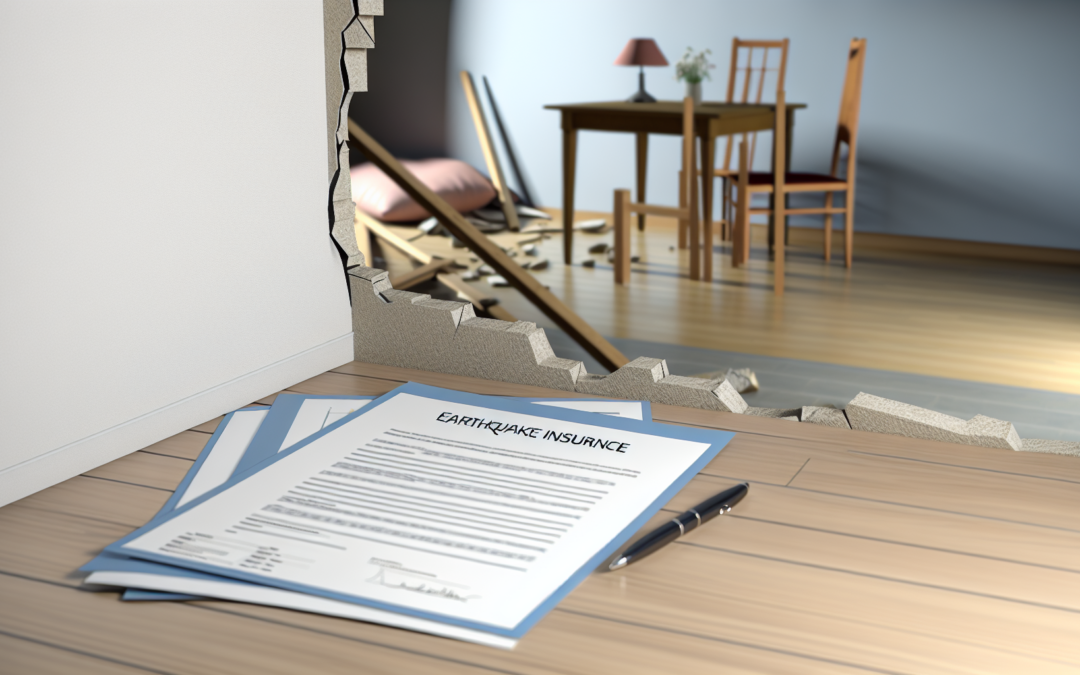
The ground beneath our feet can be a source of comfort, yet for millions of homeowners, it also holds the potential for devastating and unpredictable events: earthquakes. While standard homeowner’s insurance policies provide a crucial safety net against many perils, a common and often alarming misconception persists – that these policies automatically cover damage caused by seismic activity. The reality, however, is quite different. Understanding earthquake insurance is not just a smart move; it’s an essential part of comprehensive property protection, especially for those living in seismically active regions. This article will shake up your understanding of this specialized coverage, exploring why it’s necessary, what it entails, and the critical factors every homeowner needs to consider to safeguard their most valuable asset.
The Quake Reality: Why Standard Home Insurance Falls Short
It’s a common and dangerous assumption: “My home insurance covers everything.” Unfortunately, when it comes to earthquakes, this couldn’t be further from the truth. Standard homeowner’s insurance policies, whether HO-1, HO-2, HO-3, or others, explicitly exclude damage caused by earth movement. This means that if an earthquake shakes your home off its foundation, cracks its walls, or causes significant structural damage, your standard policy will offer no financial relief for these direct repair costs.
To understand this exclusion, it’s important to differentiate between direct damage and secondary perils. While your standard policy will not cover the shaking-induced damage, it will typically cover fire damage that might result from an earthquake. For instance, if an earthquake causes a gas line to break, leading to a fire, your standard policy would likely cover the fire damage, but not the initial structural damage caused by the tremor itself. This distinction is critical and often misunderstood. Without specific earthquake coverage, homeowners are left entirely exposed to the potentially catastrophic costs of rebuilding or repairing their homes after a seismic event, turning a natural disaster into a financial catastrophe.
Deciphering Earthquake Coverage: What’s Covered and What’s Not?
So, if standard policies don’t cover direct quake damage, what exactly does earthquake insurance protect? This specialized coverage is designed to fill that critical gap. It typically comes in two main forms: either as an endorsement added to an existing homeowner’s policy or as a standalone policy from a separate provider. Regardless of the format, earthquake insurance generally covers:
- Dwelling Coverage: This is the core protection, covering the repair or rebuilding costs of your home’s physical structure, including the foundation, walls, roof, and built-in fixtures.
- Personal Property Coverage: Much like standard policies, this protects your belongings inside the home, such as furniture, electronics, clothing, and other personal possessions, against earthquake-related damage.
- Additional Living Expenses (ALE): If your home becomes uninhabitable due to earthquake damage, ALE coverage helps pay for temporary housing, food, and other essential living costs while your home is being repaired or rebuilt. This is often crucial for maintaining some semblance of normalcy during a stressful period.
However, it’s equally important to know what earthquake insurance typically does not cover. Common exclusions often include:
- Damage to vehicles (covered by comprehensive auto insurance).
- Damage to land, such as sinkholes or landslides (though some policies may offer limited coverage for debris removal).
- Flooding or water damage (unless directly caused by a rupture of utility lines within your property due to the quake).
- Damage from tsunamis (unless specifically added or originating from a covered earthquake).
- Pre-existing damage or damage from events that occurred before the policy’s effective date.
Understanding these inclusions and exclusions is vital for setting realistic expectations and ensuring your coverage aligns with your potential risks.
The Deductible Dilemma: Understanding How Earthquake Deductibles Work
Perhaps the most significant difference between earthquake insurance and standard policies lies in its deductible structure. While most homeowner’s policies have a flat dollar amount deductible (e.g., $1,000 or $2,500), earthquake insurance deductibles are almost universally percentage-based. This means your deductible is calculated as a percentage of your home’s dwelling coverage limit, not the amount of the damage.
These percentages typically range from 10% to 20%, but can sometimes be as high as 25% in very high-risk areas. Let’s illustrate with an example: if your home is insured for $400,000 and you have a 15% earthquake deductible, your out-of-pocket cost before the insurance kicks in would be $60,000 ($400,000 x 0.15). This can be a substantial amount, and it’s a critical factor that often deters homeowners or catches them off guard.
Furthermore, earthquake deductibles are usually applied “per event,” meaning that all damages to your dwelling, personal property, and additional living expenses from a single seismic event are subject to this one deductible. It’s not uncommon for insurers to have specific rules about what constitutes a “single event,” often grouping aftershocks occurring within a certain timeframe (e.g., 72 hours) with the main quake. It is paramount for homeowners to review these deductible terms carefully with their insurance agent, as a high percentage deductible can significantly impact your financial recovery after a major earthquake.
Beyond the Basics: Factors Influencing Premiums and Policy Options
Several factors play a crucial role in determining the cost of earthquake insurance, often making it a significant annual expense for homeowners. Understanding these elements can help you make more informed decisions:
- Geographic Location: This is arguably the most dominant factor. Homes in active seismic zones (e.g., California, Washington, Alaska, parts of Missouri, South Carolina) will naturally face higher premiums due to increased risk.
- Home’s Age and Construction: Newer homes built to modern seismic codes, or those retrofitted with earthquake-resistant features (such as bolting the house to its foundation), often qualify for lower premiums. Masonry homes (brick, stucco) can be more vulnerable to quake damage than wood-frame structures and may incur higher costs.
- Soil Type: The type of soil your home sits on significantly impacts how seismic waves are amplified. Homes on soft, liquefiable soils are at greater risk and thus face higher premiums than those on bedrock.
- Coverage Limits and Deductible Percentage: As with any insurance, higher coverage limits mean higher premiums. Similarly, choosing a lower percentage deductible (e.g., 10% instead of 20%) will result in a higher premium, reflecting the insurer’s increased exposure.
When seeking coverage, homeowners typically have a few options. In some high-risk states like California, specialized entities such as the California Earthquake Authority (CEA) offer policies. Elsewhere, you might find earthquake coverage as an endorsement from your current homeowner’s insurer or through a standalone policy from a separate carrier specializing in catastrophic risks. It’s always advisable to shop around, compare quotes from different providers, and carefully review policy terms to find the coverage that best suits your home’s unique risk profile and your budget.
Navigating the complexities of earthquake insurance is undeniably a crucial step for any homeowner, particularly those residing in areas prone to seismic activity. We’ve explored how standard policies fall short, what comprehensive earthquake coverage entails, the often-surprising nature of percentage-based deductibles, and the various factors that influence your premiums. From understanding the difference between direct quake damage and secondary perils to deciphering coverage for your dwelling, personal property, and additional living expenses, making an informed decision is paramount. While the cost and high deductibles can be daunting, the financial devastation of an uninsured earthquake can be far more catastrophic. It’s not merely an added expense; it’s an investment in your home’s future and your financial peace of mind. Review your current policies, assess your personal risk tolerance, and consult with a knowledgeable insurance agent to ensure your coverage is truly shaking-proof.
by steliadmin | Jan 29, 2026 | Uncategorized
An ATV adventure promises exhilaration, freedom, and unforgettable memories on trails and rugged terrain. Yet, amidst the thrill of off-roading, a crucial question often arises: Do you really need ATV insurance? Many riders might assume their off-road vehicle doesn’t require the same level of protection as their daily driver, especially if they ride primarily on private property. However, this assumption can lead to significant financial risk and legal complications. Understanding ATV insurance isn’t just about compliance; it’s about safeguarding your investment, protecting yourself from potential liabilities, and ensuring peace of mind during every ride. This article will delve into why ATV insurance is often essential, explore the various coverages available, and help you determine the right protection for your off-road experiences.
The Indispensable Shield: Why ATV Insurance Isn’t Just “Optional”
The notion that ATV insurance is a mere suggestion often stems from a misunderstanding of both legal mandates and real-world risks. Unlike passenger vehicles, which universally require liability coverage, ATV insurance requirements vary significantly by state. However, the absence of a blanket state law doesn’t equate to a lack of necessity. Many public riding areas, national parks, and even private parks explicitly demand proof of liability insurance for ATVs operating within their boundaries. Ignoring these rules could result in fines, impoundment, or denial of access to your favorite trails.
Beyond public land, the need for insurance extends to private property. While you might feel secure riding on your own land, what happens if a guest is injured while riding your ATV, or if you accidentally damage a neighbor’s fence? Personal injury lawsuits and property damage claims can be financially devastating, easily running into tens or even hundreds of thousands of dollars. A standard homeowner’s policy often provides limited, if any, coverage for off-road vehicles, leaving a dangerous gap. ATV liability insurance acts as your primary defense, covering medical expenses, legal fees, and damage costs, preventing a single unfortunate incident from bankrupting you.
Deciphering Coverage: What ATV Insurance Actually Protects
Just like auto insurance, ATV policies offer a spectrum of coverages designed to address different types of risks. Understanding these components is crucial for building a policy that truly protects you.
- Liability Coverage: This is arguably the most critical component. It typically consists of two parts:
- Bodily Injury Liability: Covers medical expenses, lost wages, and pain and suffering for others if you are at fault in an accident that causes them injury. This protects your assets from legal claims.
- Property Damage Liability: Pays for damage you cause to another person’s property (e.g., another ATV, a vehicle, a fence, or structures) in an accident where you are at fault.
- Collision Coverage: This protects your ATV itself. It pays for damages to your own vehicle if it collides with another object (another ATV, a tree, a rock) or if it overturns, regardless of fault. This is vital for protecting your investment in the machine.
- Comprehensive Coverage: Often bundled with collision, comprehensive protects your ATV from non-collision-related incidents. This includes theft, vandalism, fire, natural disasters (like floods or hail), and even striking an animal. If your ATV is stolen from your garage or catches fire, comprehensive coverage is what steps in.
- Uninsured/Underinsured Motorist Coverage: While less common for ATVs than cars, some policies offer this. It protects you if another rider, who is at fault and uninsured or doesn’t have enough insurance, causes an accident that injures you or damages your ATV.
- Medical Payments (MedPay): This coverage helps pay for medical expenses for you and your passengers, regardless of who was at fault in an accident. It’s often a lower limit coverage but can be very useful for immediate medical costs.
- Accessory & Custom Parts Coverage: Many riders invest heavily in aftermarket parts like winches, custom exhaust systems, upgraded suspension, or specialized tires. Standard policies might only cover factory-installed equipment. This optional add-on ensures your valuable enhancements are also protected.
Beyond the Crash: Protecting Your Investment from Unforeseen Threats
While the immediate thought with ATV insurance might be head-on collisions or rollovers, the reality is that your off-road vehicle faces a multitude of other risks that can result in significant financial loss. Theft is a pervasive concern, particularly for desirable and often easily transportable ATVs. A stolen ATV represents not just the loss of a recreational tool but a substantial financial hit, especially for newer, high-performance models. Without comprehensive coverage, replacing a stolen ATV falls entirely on your shoulders, potentially setting back your plans for years.
Furthermore, ATVs are susceptible to damage from vandalism, fire, and natural disasters. Imagine your ATV parked in your garage only to be damaged by a house fire, or left unattended at a trailhead only to be vandalized. Floods, hailstorms, or even falling trees can wreak havoc on an exposed ATV. Comprehensive coverage steps in during these scenarios, paying for repairs or the replacement value of your machine. This extends the protective umbrella far beyond just riding accidents, safeguarding your investment from a broader spectrum of unpredictable events. The true value here isn’t just the monetary payout; it’s the peace of mind knowing that your significant investment is protected, allowing you to enjoy your off-road passion without constant worry about unexpected losses.
Tailoring Your Policy: Factors Influencing Your ATV Insurance Needs
Determining the right ATV insurance policy isn’t a one-size-fits-all proposition. Several factors play a crucial role in shaping the coverage you need and the premiums you’ll pay, allowing you to tailor a policy that genuinely fits your specific situation and minimizes unnecessary costs.
- Where and How You Ride: This is perhaps the most significant determinant. Do you primarily ride on private land, where liability might still be a concern but public access laws aren’t? Or do you frequent public trails, state parks, or national forests, where liability insurance is often mandatory and higher coverage limits might be advisable due to increased exposure? Frequent, aggressive riders may consider higher limits for collision and medical payments.
- Type and Value of Your ATV: A brand-new, high-performance sport quad or a fully customized utility vehicle represents a much larger financial investment than an older, lower-displacement ATV. The higher the value of your machine, the more critical comprehensive and collision coverage become to protect your asset. Similarly, specialized attachments or custom parts warrant specific accessory coverage.
- Your Financial Situation and Risk Tolerance: Can you realistically afford to replace your ATV out-of-pocket if it’s totaled or stolen? Can you cover potential medical bills or legal fees if you cause a serious accident? If your financial safety net is limited, higher coverage limits and comprehensive protection are prudent. Those with substantial savings might opt for higher deductibles to lower premiums, assuming they can cover the deductible in an incident.
- Other Insurance Policies: Many insurance providers offer discounts for bundling ATV insurance with existing auto, home, or life insurance policies. Inquire about multi-policy discounts, which can significantly reduce your overall insurance costs while centralizing your coverage with a single provider.
- Age and Riding Experience: While not always as prominent as with auto insurance, some insurers may consider the age and experience level of the primary operator, potentially influencing rates or available coverage options. Safe rider courses can sometimes lead to discounts.
By carefully evaluating these variables, you can work with an insurance agent to construct a policy that provides robust protection without overspending, ensuring your off-road adventures remain thrilling and worry-free.
Conclusion: Your Off-Road Peace of Mind is Priceless
In conclusion, the question “Do you really need ATV insurance?” can almost always be answered with a resounding “yes.” While specific legal mandates might vary, the underlying reasons for securing proper coverage are universal: protecting yourself, your assets, and your investment. We’ve explored how ATV insurance goes beyond mere compliance, acting as a critical financial safeguard against a myriad of risks, from the devastating costs of liability claims and accident-related damages to the unexpected losses from theft, vandalism, and natural disasters.
Understanding the nuances of liability, collision, comprehensive, and specialized accessory coverage empowers you to make informed decisions tailored to your unique riding habits and vehicle value. By carefully considering where you ride, the type of ATV you own, and your personal financial situation, you can craft a policy that delivers robust protection and, most importantly, unparalleled peace of mind. Don’t let an oversight turn your exhilarating off-road adventures into a financial nightmare. Invest in ATV insurance – it’s an essential part of responsible riding, ensuring your focus remains on the thrill of the trail, not the worries of unforeseen circumstances.
by steliadmin | Nov 10, 2025 | Uncategorized
The open water calls with promises of exhilaration, speed, and unforgettable memories. Owning a personal watercraft (PWC) like a Jet Ski or Sea-Doo offers an incredible way to experience the thrill of the waves. However, amidst the excitement, it’s crucial not to overlook the practicalities of protecting your valuable investment and, more importantly, your financial well-being. Just as you wouldn’t drive a car without auto insurance, navigating the waterways without adequate PWC insurance is a risk no enthusiast should take. This comprehensive guide will delve into the essential coverages you need to understand, ensuring that your summer fun remains protected, giving you peace of mind to truly enjoy every splash and every ride.
Beyond the Thrill: Why PWC Insurance is Essential
While the joy of speeding across the water is undeniable, the reality is that personal watercraft, like any vehicle, come with inherent risks. Accidents can happen in an instant, whether due to collision with another vessel, striking a submerged object, or even capsizing. Without proper insurance, the financial repercussions of such incidents can quickly turn your summer dream into a significant nightmare. PWC insurance isn’t merely an optional add-on; it’s a vital safety net designed to protect you from potentially devastating costs associated with property damage, bodily injury, theft, and more. Consider the potential for liability if you accidentally injure another person or damage their property – the costs can skyrocket into tens or even hundreds of thousands of dollars, directly impacting your personal assets. Protecting your investment and your future starts with understanding and securing the right coverage.
Key Coverages to Safeguard Your Ride
Understanding the core components of a PWC insurance policy is the first step toward comprehensive protection. These coverages work together to provide a robust shield against various unforeseen events:
- Liability Coverage: This is arguably the most critical component. It protects you financially if you are at fault for an accident that causes bodily injury to another person or damage to their property (another boat, dock, or even a shoreline structure). It covers legal defense costs, medical expenses for injured parties, and repair/replacement costs for damaged property, up to your policy limits. Without adequate liability, a single incident could jeopardize your savings and assets.
- Physical Damage Coverage (Collision & Comprehensive):
- Collision Coverage: This pays for repairs or replacement of your personal watercraft if it’s damaged in an impact with another vessel, a dock, a submerged object, or if it overturns.
- Comprehensive Coverage: This protects your PWC from non-collision-related damage or loss. This includes incidents like theft, vandalism, fire, severe weather (hail, wind, lightning), and even hitting an animal.
- Medical Payments/Personal Injury Protection (PIP): This coverage helps pay for reasonable medical expenses for you and your passengers if you’re injured in a PWC accident, regardless of who was at fault. It can cover ambulance services, hospital stays, and doctor visits.
- Uninsured/Underinsured Watercraft Coverage: Unfortunately, not everyone on the water carries adequate insurance. This coverage protects you and your PWC if you’re involved in an accident with another boater who is at fault but doesn’t have insurance or their insurance limits are insufficient to cover your damages and medical bills.
Tailoring Your Protection: Essential Add-ons and Considerations
While the core coverages form the backbone of your PWC insurance, various add-ons and policy considerations allow you to customize your protection further, addressing specific needs and mitigating unique risks:
- Towing and Assistance: Imagine being stranded miles from shore due to mechanical failure or running out of fuel. This add-on covers the cost of towing your PWC back to shore, fuel delivery, or other emergency assistance. It’s the on-water equivalent of roadside assistance.
- Equipment Coverage: Many PWC owners invest in additional equipment like expensive wakeboards, tubes, wetsuits, or specialized safety gear. This coverage can protect these items against theft or damage while they are on or with your watercraft.
- Wreckage Removal: In the unfortunate event that your PWC sinks, you may be legally obligated to remove it from the waterway to prevent navigation hazards or environmental damage. This coverage can help pay for the often-significant costs associated with wreckage recovery and removal.
- Consequential Damage: Sometimes, a minor issue can lead to a major problem. For example, if your PWC hits a submerged object, causing a small crack, and then takes on water, leading to engine damage, this coverage can protect against the subsequent damage that results from an initial covered peril.
- Navigation Limits: Be aware of the geographical limits of your policy. Some policies restrict coverage to specific coastal waters or inland lakes, while others might offer broader navigation areas. Always confirm where your policy will protect you.
- Deductibles: Like auto insurance, PWC policies have deductibles – the amount you pay out of pocket before your insurance kicks in for a claim. Choosing a higher deductible typically lowers your premium, but ensures you’re comfortable with the out-of-pocket expense should a claim arise.
- Lay-up Period Discounts: If you live in an area with distinct seasons, you might qualify for discounts during the months your PWC is stored and not in use.
Securing Your Policy: Smart Choices and Savings
Choosing the right PWC insurance policy involves more than just picking the cheapest option; it’s about finding comprehensive coverage that fits your budget and specific needs. Here’s how to make smart choices:
- Shop Around and Compare Quotes: Don’t settle for the first quote you receive. Different insurers have varying pricing structures and policy offerings. Obtain quotes from several reputable insurance providers specializing in marine coverage to find the best value.
- Understand Factors Affecting Premiums: Your premium will be influenced by several factors, including the make, model, year, and horsepower of your PWC, your operating experience, your claims history, your geographical location, and where and how you store your watercraft. Newer, more powerful PWCs often command higher premiums.
- Look for Discounts: Many insurers offer various discounts that can significantly reduce your premium. These might include:
- Multi-Policy Discounts: Bundling your PWC insurance with your home or auto policy.
- Safe Boater Course Discounts: Completing an approved boater safety course demonstrates responsible operation.
- Security Device Discounts: For anti-theft devices installed on your PWC.
- No Claims Discount: For maintaining a claim-free record over a certain period.
- Read the Fine Print: Before finalizing any policy, carefully review the terms, conditions, exclusions, and limitations. Understand what is covered, what isn’t, and any specific requirements you must meet.
- Work with a Specialist: Consider consulting with an independent insurance agent who specializes in marine insurance. They can offer expert advice, help you navigate complex policy options, and often have access to multiple carriers to find you the most suitable and cost-effective coverage.
Protecting your personal watercraft is fundamental to ensuring your summer adventures remain joyful and stress-free. We’ve explored why PWC insurance is a necessity, delving into critical coverages such as liability protection, physical damage (collision and comprehensive), medical payments, and uninsured/underinsured watercraft coverage, all designed to safeguard you from unforeseen financial burdens. Furthermore, we’ve highlighted valuable add-ons like towing and wreckage removal, along with practical considerations for tailoring your policy and smart strategies for choosing the right coverage and potentially saving money. By understanding these essential components and making informed decisions, you’re not just buying a policy; you’re investing in peace of mind. Don’t let an unexpected incident derail your fun – ensure your Jet Ski or Sea-Doo is adequately protected so you can confidently embrace every moment the water has to offer.
by steliadmin | Nov 6, 2025 | Uncategorized
The roar of the engine, the thrill of conquering rugged terrain, and the sheer freedom of the open trail – these are the exhilarating hallmarks of ATV riding. For many, an all-terrain vehicle isn’t just a machine; it’s a gateway to adventure and a vital tool for work or recreation. However, beneath the excitement lies an often-overlooked necessity: comprehensive ATV insurance. Just like any other vehicle, ATVs are exposed to risks, from unexpected accidents and mechanical breakdowns to theft and vandalism. Navigating these potential pitfalls without adequate protection can lead to significant financial strain and interrupt your passion. This article will delve into the essentials of ATV insurance, guiding you through the critical coverage types available to safeguard your investment and ensure your off-road excursions remain worry-free.
The Imperative of Protecting Your Off-Road Passion
While the allure of ATV riding is undeniable, the inherent risks associated with off-road adventures are equally significant. Unlike traditional road vehicles, ATVs operate in challenging environments, increasing the likelihood of accidents, collisions with obstacles, or even vehicle damage due to unpredictable terrain. Beyond direct incident risks, ATVs are also targets for theft, vandalism, and can suffer damage from natural elements like fire or storms. Without proper insurance, the financial burden of repairs, replacement, or liability for injuries to others can be crippling, transforming a cherished hobby into a costly nightmare. Moreover, many states, public lands, and organized riding parks now mandate ATV insurance, particularly liability coverage, for operation. This isn’t just about financial protection; it’s about adhering to legal requirements and ensuring peace of mind, allowing you to focus on the ride ahead, knowing you’re covered for the unexpected.
Unpacking Core ATV Insurance Coverage Types
Understanding the fundamental types of ATV insurance is the first step toward building a robust protection plan. Each coverage serves a distinct purpose, addressing different facets of risk:
- Liability Coverage: This is perhaps the most critical component, often legally required. It consists of two main parts:
- Bodily Injury Liability: Covers medical expenses, lost wages, and pain and suffering for others if you are at fault for an accident that causes them injury.
- Property Damage Liability: Pays for damage to another person’s property (e.g., another vehicle, a fence, a building) if you are responsible for an accident. Without this, you could face substantial out-of-pocket costs.
- Collision Coverage: This protects your ATV. It pays for damages to your own vehicle resulting from a collision with another object, whether it’s another ATV, a tree, a rock, or even if your ATV rolls over. It covers the repair or replacement costs of your ATV, minus your deductible, regardless of who was at fault.
- Comprehensive Coverage: Often paired with collision, comprehensive coverage protects your ATV from non-collision incidents. This includes events like theft, vandalism, fire, hail, floods, falling objects, or even hitting an animal. It’s vital for protecting your investment against a wide range of unforeseen circumstances that aren’t related to an accident with another vehicle or object.
- Uninsured/Underinsured Motorist (UM/UIM) Coverage: While you hope others are responsible, this coverage protects you. If you’re involved in an accident with another ATV rider who is at fault but has no insurance or insufficient insurance to cover your injuries or ATV damage, UM/UIM can step in to cover your expenses. This bridges a critical gap in protection against irresponsible riders.
Enhanced Protections for the Discerning Rider
Beyond the fundamental coverages, several specialized options can provide an extra layer of security, especially for those with customized ATVs or unique riding habits:
- Accessory and Custom Parts Coverage: Many ATV owners invest significantly in aftermarket parts like winches, specialized tires, upgraded suspension, GPS systems, or unique lighting. Standard policies often only cover factory-installed equipment. This specialized coverage ensures that your valuable customizations and accessories are protected against damage or theft, offering peace of mind for your personalized investment.
- Medical Payments (MedPay) Coverage: This optional coverage is designed to pay for medical expenses for you and your passengers, regardless of who was at fault in an accident. It can cover immediate costs like ambulance services, X-rays, and hospital visits up to a specified limit. MedPay is a valuable addition because it offers quick access to funds for medical care, helping to cover deductibles or gaps in your personal health insurance.
- Roadside Assistance and Towing: Imagine your ATV breaks down deep on a trail, far from any accessible road. This coverage can be a lifesaver, covering the costs of towing your disabled ATV to the nearest repair shop or a location of your choice. Some policies may also include basic roadside services like tire changes or fuel delivery if you run out of gas.
- Riding Apparel and Gear Coverage: Helmets, protective jackets, boots, and other riding gear can be expensive and essential for safety. In the event of an accident, this coverage can help replace or repair your damaged riding apparel, ensuring you’re ready for your next adventure with proper safety equipment.
Navigating Premiums and Maximizing Savings
The cost of your ATV insurance premium is influenced by a variety of factors, understanding which can help you make informed decisions and potentially lower your rates. These factors include the type, model, and engine size of your ATV (more powerful or expensive models generally cost more to insure), your riding history and experience, your geographical location (areas with higher theft or accident rates may have higher premiums), and how frequently you use your ATV. The deductible you choose also plays a significant role; a higher deductible typically means a lower premium, but you’ll pay more out-of-pocket if you file a claim.
Fortunately, there are several ways to save on ATV insurance without compromising on essential protection:
- Bundling Policies: Many insurance providers offer discounts if you bundle your ATV insurance with other policies, such as auto, home, or motorcycle insurance.
- Safety Course Discounts: Completing an approved ATV safety course not only makes you a safer rider but can also qualify you for a discount on your premium.
- Multi-ATV Discounts: If you own more than one all-terrain vehicle, insuring them all with the same company often results in a reduced rate per vehicle.
- Anti-Theft Device Discounts: Installing approved anti-theft devices like GPS trackers or alarm systems can deter thieves and lower your comprehensive coverage costs.
- Good Driver/Rider Discounts: Maintaining a clean driving record, both on and off-road, can often lead to favorable rates.
- Higher Deductibles: While this means more out-of-pocket in case of a claim, opting for a higher deductible can significantly reduce your monthly or annual premium.
Protecting your all-terrain vehicle goes far beyond simply covering its mechanical components; it’s about safeguarding your passion, your finances, and your peace of mind. As we’ve explored, ATV insurance is not merely a legal formality in many areas but a critical investment against the inherent risks of off-road riding, from collisions and theft to liability for injuries to others. Understanding the nuances of liability, collision, comprehensive, and uninsured/underinsured motorist coverage forms the bedrock of a robust policy. Furthermore, specialized options like accessory coverage and medical payments can provide tailored protection for your unique needs and valuable modifications. By carefully considering the factors that influence your premiums and leveraging available discounts, you can secure comprehensive coverage that fits both your adventurous spirit and your budget. Don’t let unforeseen circumstances derail your enjoyment; equip yourself with the right ATV insurance, and hit the trails with confidence, knowing you’re fully protected.
by steliadmin | Oct 31, 2025 | Uncategorized
Living in a rented home or apartment offers flexibility and convenience, but it also comes with unique responsibilities, many of which are often overlooked until a crisis strikes. A common misconception among renters is that their landlord’s insurance policy provides sufficient protection for their personal belongings. Unfortunately, this isn’t the case. While your landlord’s policy covers the building structure itself, it offers no safeguard for your furniture, electronics, clothing, or any other personal items should they be stolen, damaged by fire, or ruined by a burst pipe. This article will delve into the critical necessity of renters insurance, exploring how it acts as a vital safety net for your possessions and, perhaps even more importantly, provides crucial liability coverage for unexpected events within your rented space. Understanding this essential protection is key to securing your financial well-being as a tenant.
The Critical Distinction: Your Belongings vs. The Building
One of the most significant misunderstandings among tenants is the scope of their landlord’s property insurance. Many assume that if something catastrophic happens, like a fire or a major water leak, their personal property will be covered by the building owner’s policy. This is a dangerous assumption that can lead to significant financial hardship. To clarify, your landlord’s insurance policy is designed to protect the physical structure of the building—the walls, roof, plumbing, and other permanent fixtures—from damage. It also covers their own liability for incidents that occur on the property for which they are responsible. However, this coverage does not extend to your personal possessions.
Consider a scenario where a fire breaks out in your apartment, or a sudden, severe storm causes a tree to fall and damage your unit. Your landlord’s insurance would pay to repair the structural damage to the apartment building itself. But what about your laptop, your new sofa, your entire wardrobe, or your priceless family photos that were destroyed? Without renters insurance, you would be solely responsible for replacing every single item out of your own pocket. The financial burden of replacing an entire household’s worth of belongings can easily amount to tens of thousands of dollars, a sum that few people have readily available. Renters insurance bridges this critical gap, providing a dedicated layer of protection for the items that make your rented space feel like home.
Comprehensive Protection for Your Personal Property
So, what exactly does renters insurance cover when it comes to your belongings? This type of policy is specifically designed to protect your personal property from a wide array of “perils” or covered events. While specific coverages can vary slightly between policies and providers, most standard renters insurance policies include protection against:
- Fire and Smoke Damage: One of the most common and devastating risks, ensuring your belongings are covered if a fire erupts.
- Theft and Vandalism: If your apartment is broken into, or your property is vandalized, your policy can help replace stolen or damaged items. This often extends to items stolen from your car or a storage unit away from your home.
- Water Damage: Typically covers damage from burst pipes, overflowing appliances (like a washing machine), or accidental discharge from heating/cooling systems. It generally does not cover flood damage, which requires a separate policy.
- Windstorms and Hail: Protection against damage caused by severe weather events.
- Falling Objects: If something falls on your property and causes damage.
When reviewing your policy, it’s crucial to understand the difference between Actual Cash Value (ACV) and Replacement Cost Value (RCV). ACV policies pay out the depreciated value of your items, meaning you’d get less than what you paid for them due to age and wear. RCV policies, on the other hand, provide the amount it would cost to purchase new, comparable items today, offering a more complete financial recovery. While RCV policies might have slightly higher premiums, they often provide far greater peace of mind. Additionally, be aware that certain high-value items, like expensive jewelry, art, or specialized electronics, may have sub-limits, meaning the policy will only pay a certain maximum for these items. For full protection, you might need to purchase an endorsement or “rider” to cover these specific valuables.
The Indispensable Shield of Liability Coverage
Beyond protecting your personal property, one of the most vital, yet often overlooked, components of renters insurance is its liability coverage. This aspect of the policy is designed to protect you financially if you are found responsible for causing injury to another person or damage to someone else’s property, both inside and potentially outside of your rented residence. The potential costs associated with such incidents can be astronomical, making liability coverage an indispensable shield.
Consider these common scenarios:
- Guest Injuries: A friend visits your apartment, slips on a wet floor, and breaks their wrist. You could be held liable for their medical bills, lost wages, and pain and suffering.
- Damage to the Building: You accidentally leave a candle unattended, causing a small fire that damages a portion of your apartment wall and the unit below. Your landlord could hold you responsible for the repair costs, which could easily run into thousands of dollars.
- Damage to Other People’s Property: Your dog, while usually well-behaved, nips a visitor, leading to medical treatment. Or, an overflowing bathtub in your unit causes significant water damage to the apartment below yours.
In any of these situations, your liability coverage would step in. It typically covers medical payments for the injured party, repairs to damaged property, and crucially, legal defense costs if you are sued. Without this coverage, you would be personally responsible for all these expenses, potentially leading to financial ruin. Most renters insurance policies offer liability limits ranging from $100,000 to $300,000, and increasing this coverage is often very affordable for the additional peace of mind it provides. This component alone makes renters insurance a non-negotiable for anyone living in a rented space, offering protection against unforeseen accidents that could otherwise devastate your finances.
Affordability, Accessibility, and Peace of Mind
Despite its comprehensive benefits, renters insurance is often surprisingly affordable, making it one of the most cost-effective ways to protect your financial future as a tenant. Many people overestimate the cost, assuming it’s an expensive luxury. In reality, premiums can be as low as $15 to $30 per month, often less than the cost of a daily cup of coffee. This minimal expense pales in comparison to the potentially tens of thousands of dollars you’d have to pay out-of-pocket to replace all your belongings or cover liability claims if you’re uninsured.
Beyond its affordability, renters insurance is also incredibly accessible. Most major insurance providers offer policies, and you can often get a quote and purchase coverage online in a matter of minutes. Many companies offer discounts for bundling renters insurance with auto insurance, installing security systems, or having a good claims history. Furthermore, don’t underestimate the “additional living expenses” (ALE) coverage that often comes standard with a renters policy. If your apartment becomes uninhabitable due to a covered peril (like a fire), ALE coverage can help pay for temporary housing, food, and other increased living costs while your unit is being repaired. This invaluable benefit ensures you won’t be left without a place to stay or struggle with extra expenses during an already stressful time. For the modest investment, renters insurance provides significant financial protection and, most importantly, invaluable peace of mind, knowing that you’re prepared for life’s unexpected turns.
In conclusion, the question is not whether you need renters insurance, but rather how quickly you can secure this essential protection. As we’ve explored, your landlord’s policy explicitly protects the building, not your personal possessions. Without renters insurance, you face the daunting financial burden of replacing everything you own if disaster strikes, whether it be theft, fire, or water damage. Equally critical is the liability coverage, safeguarding you from potentially devastating lawsuits if someone is injured in your home or if you accidentally cause damage to the property. This essential component offers financial insulation against unforeseen events that could otherwise lead to crippling debt.
Fortunately, securing this vital protection is both affordable and straightforward. With monthly premiums often comparable to minor daily expenses, renters insurance offers profound peace of mind, ensuring that your belongings are covered, your liability is managed, and even providing for temporary living expenses should your home become uninhabitable. Don’t wait for a costly incident to understand the true value of renters insurance. Take the proactive step today to get a quote, understand your options, and secure the financial safety net that every responsible tenant deserves. Protect your belongings, mitigate your risks, and live with confidence in your rented home.

